MIXED-METHODS RESEARCH
ETHNOGRAPHIC RESEARCH
A field-based method that explores how people live, work, and interact with products, services, and environments. In design, it focuses on understanding real-world behaviors, needs, cultural contexts, and meanings through direct observation, interviews, and participation. The goal is to uncover tacit knowledge, routines, and pain points that users themselves may not articulate, so designers can create solutions that are usable, meaningful, and contextually appropriate.
Contextualizing numbers within lived experiences and social meaning
QUALITATIVE
Qualitative research explores human behavior and meaning through open-ended data like interviews, observations, and artifacts to understand context, motivations, and lived experience. In ethnographic research this is performed by immersive fieldwork to capture cultural norms and everyday practices from the insider’s perspective
INTERVIEWS
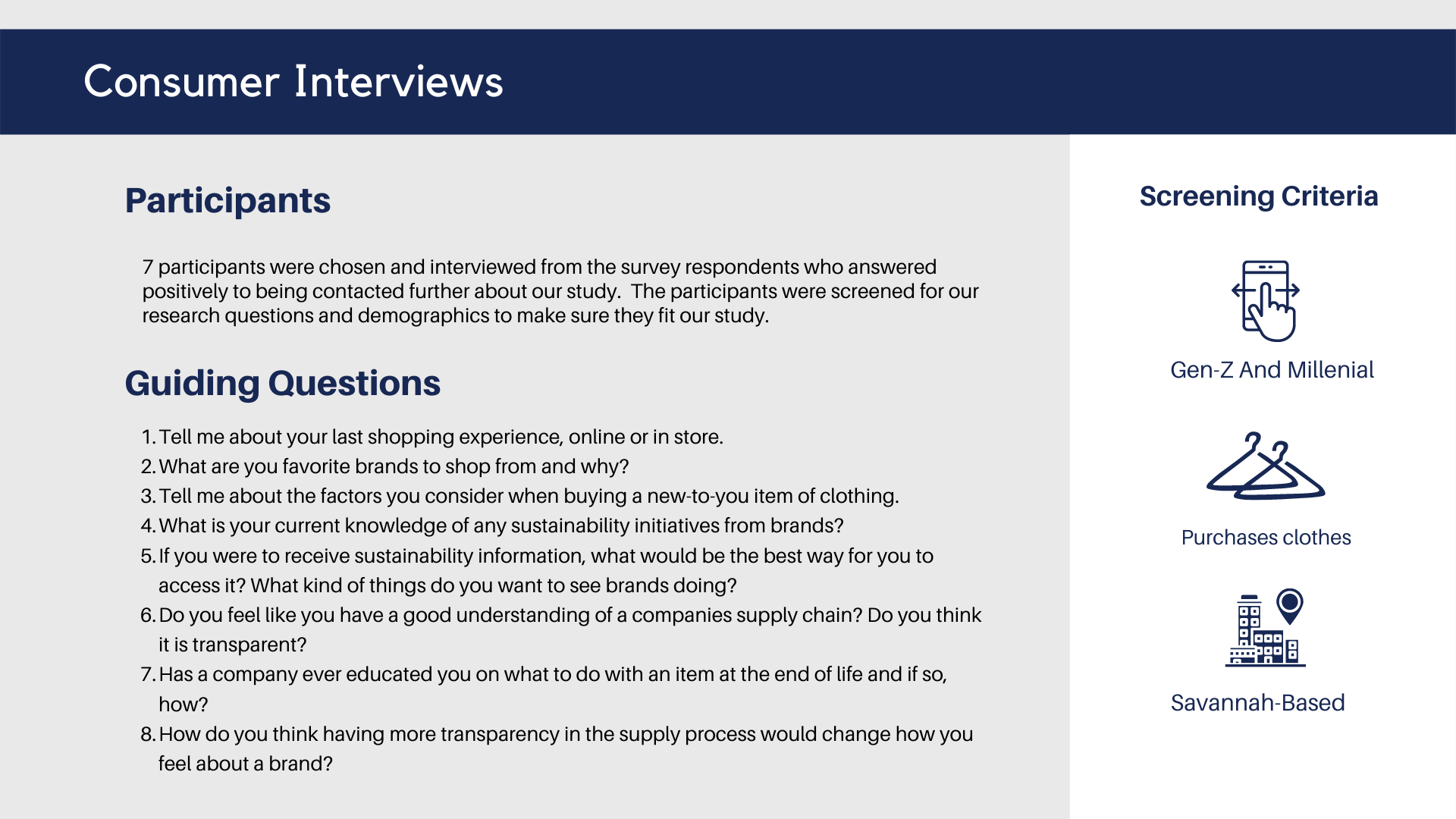
Consumer Interviews Understand consumer opinion by conducting specified interviews, developing a guide which target key demogrpahics
Expert Interviews Connect with industry and academic experts to gain unique insights and expand understanding
OBSERVATION
Focus Groups Allows longer conversations with consumers in a collaborative context
Sensory Cue Understand user design preference through tactile interaction and sensory input
Cultural Probe Explore demographic specific preferences through the consumer’s eyes
QUANTITATIVE
Quantitative research in ethnographic studies involves measuring and analyzing numerical data to identify patterns, frequencies, and correlations within cultural or social contexts. Researchers collect structured data then apply statistical methods to quantify relationships and test hypotheses grounded in ethnographic insights.
SECONDARY RESEARCH
Utilize existing secondary research to understand consumer market, opportunity areas, and stakeholder engagement.
SURVEYS AND DATA COLLECTION
Develop survey design and target plan which can engage necessary users and prioritizes key research questions to expand knowledge of opportunity areas
METHODOLOGY
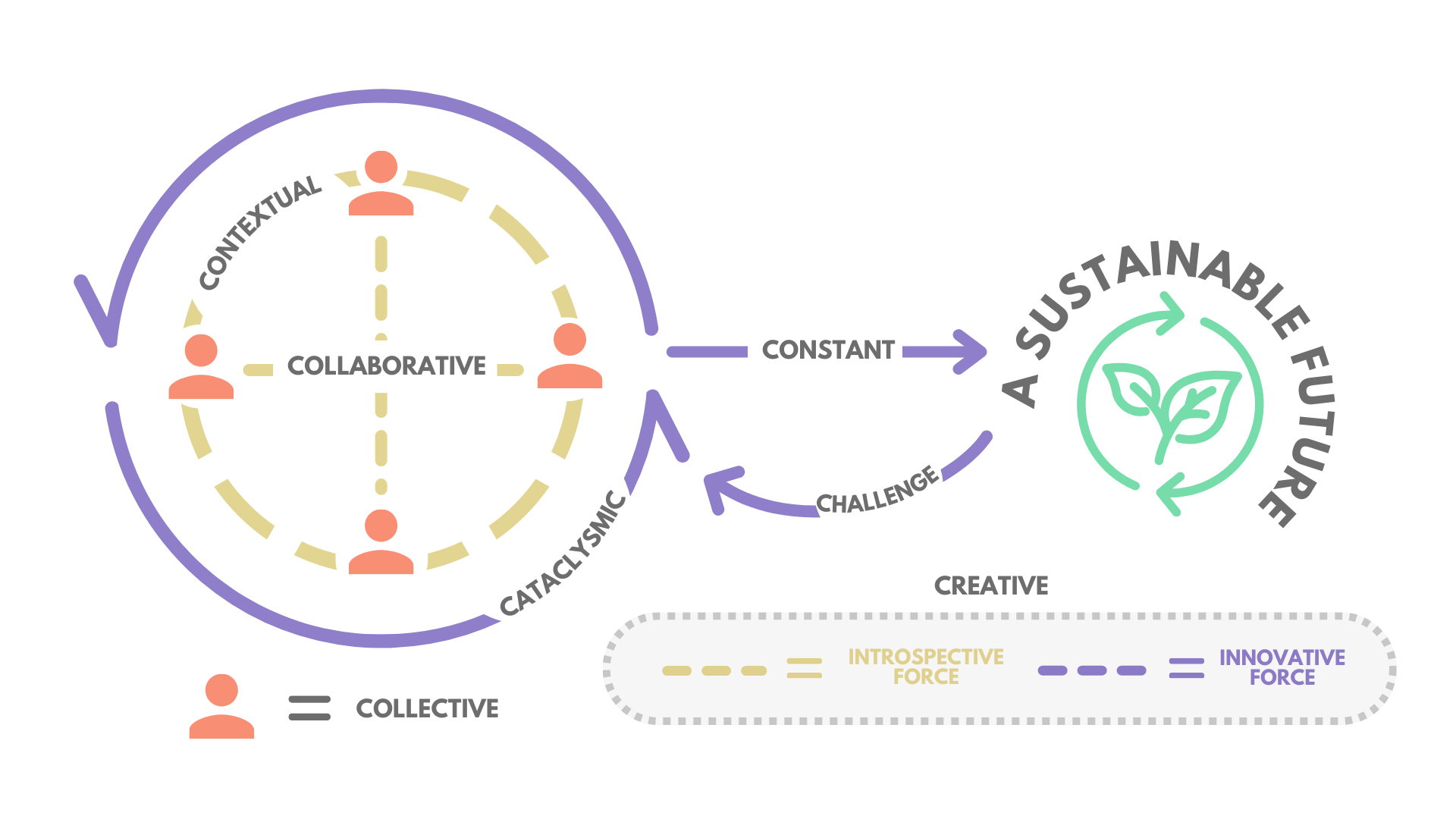
The 7 C’s for Sustainable Design
A NEW DESIGN THEORY FOR TRANSFORMATIONAL CHANGE
By Robin Owens